Argentina 2025: el clima como factor crítico en la economíaArgentina 2025: Climate as a Critical Factor in the Economy
Pese al poco interés del presidente Javier Milei en la materia, la lucha contra el cambio climático representa una importante oportunidad para Argentina.Despite President Javier Milei's limited interest in the issue, the fight against climate change represents a major opportunity for Argentina.
PorBy Candelaria Pérez Zorrilla
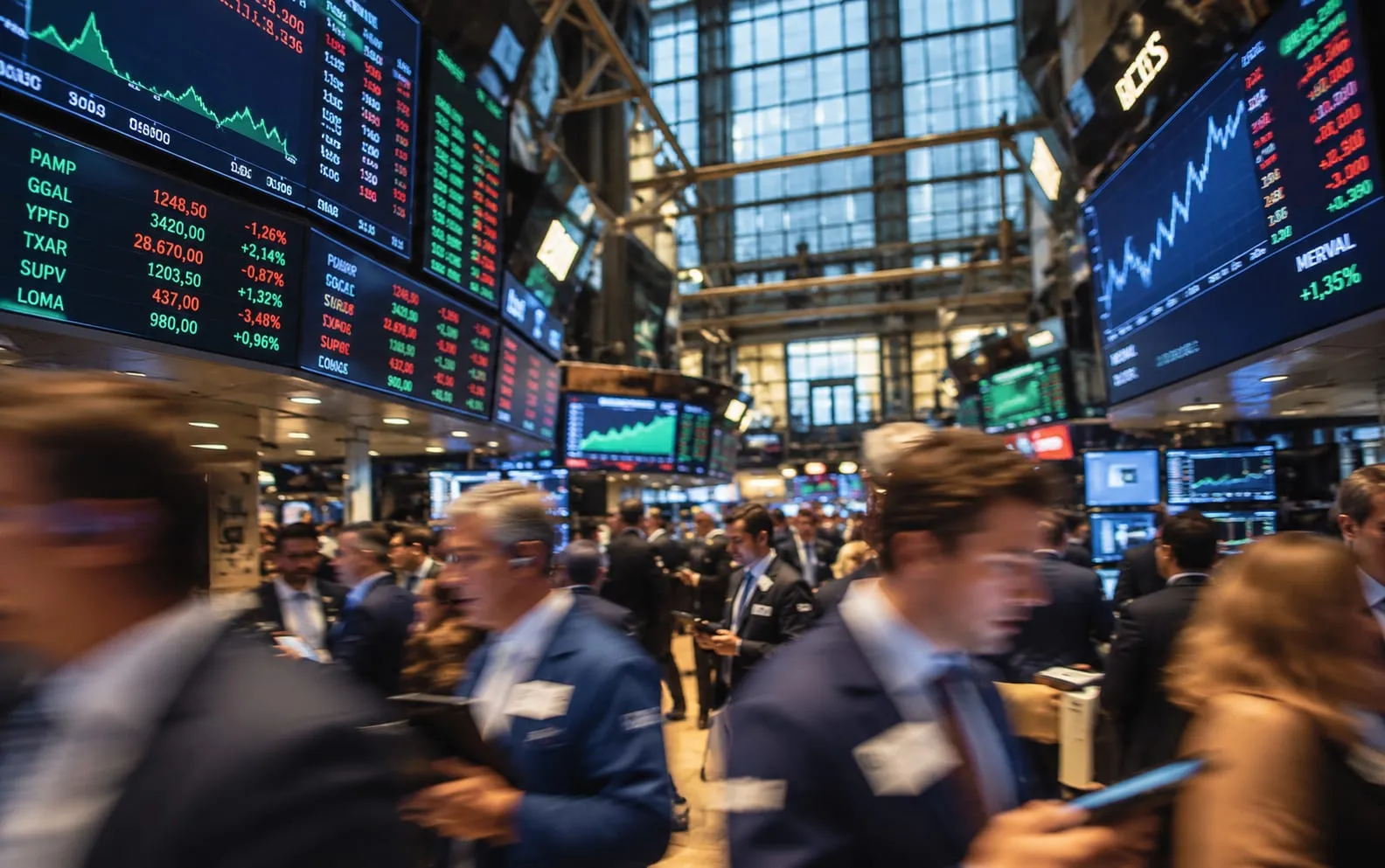
En un contexto económico complejo, la interrelación entre el cambio climático y las políticas fiscales se vuelve cada vez más evidente.
Análisis recientes sobre la situación económica del país destacan cómo el clima puede jugar un papel crucial en las proyecciones financieras del gobierno de Javier Milei para 2025.
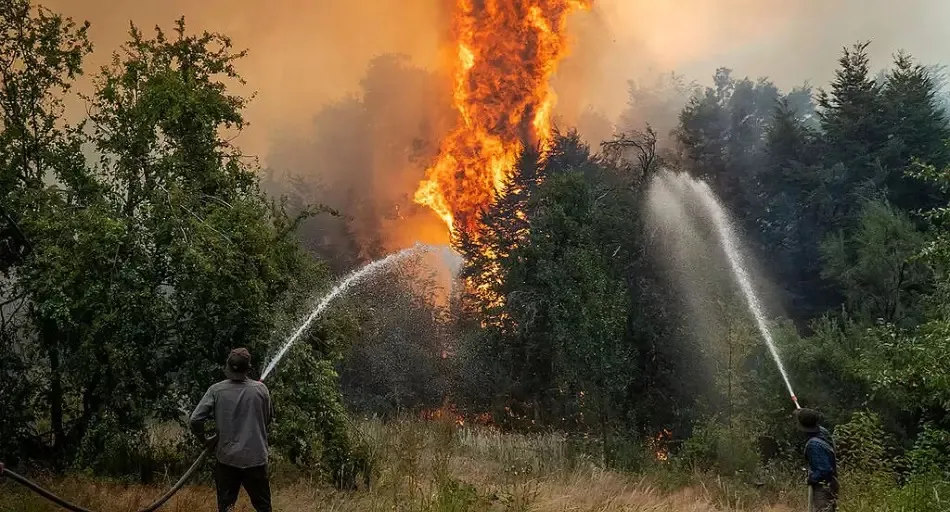
El impacto negativo de un fenómeno climático, como la sequía,no solo amenaza la producción agrícola, sino que también abre las puertas a una posible falta de dólares el año que viene, lo que sin dudas tendrá repercusiones significativas en el pronóstico fiscal previsto por la actual administración.
Desde su asunción, el Gobierno ha adoptado una política de déficit fiscal cero, una medida que busca mantener la sostenibilidad de las cuentas públicas.
En teoría, esta estrategia debería ser un pilar de estabilidad: en épocas de crecimiento, los excedentes podrían destinarse a reducir la deuda o aliviar la carga impositiva, generando un círculo virtuoso.
Sin embargo, en un contexto de desaceleración económica, esta misma política puede convertirse en un arma de doble filo: la reducción del gasto público, necesaria para cumplir con el déficit cero, puede profundizar la contracción económica, arrastrando al país a una espiral de ajustes que, lejos de promover la recuperación, la dificulta aún más.
Con la amenaza de una sequía severa que afectaría las exportaciones agrícolas, ¿cómo enfrentará el país una posible falta de dólares sin comprometer aún más su estabilidad económica?
Frente a este y otros desafíos, se debe considerar la importancia de las inversiones sostenibles.
La economía argentina, históricamente dependiente de su producción agrícola, debe adaptarse a un nuevo paradigma que contemple el cambio climático como un factor determinante en la planificación económica.
Invertir en proyectos que mitiguen el impacto ambiental no solo contribuirá a la sostenibilidad, sino que también ofrecerá oportunidades de crecimiento económico. Por ejemplo, iniciativas que promuevan prácticas agrícolas sostenibles o energías renovables pueden generar empleo y reducir la vulnerabilidad ante fenómenos climáticos adversos.
En este contexto, es clave reconocer que la mayoría de los actores occidentales, especialmente la Unión Europea, están impulsando un comercio sostenible al establecer estándares cada vez más rigurosos, por lo que Argentina deberá prestar atención a estas tendencias para no quedar rezagada en el escenario global.
El cambio climático no es solo un problema ambiental, es un desafío económico que requiere atención inmediata.
Las decisiones que tomemos hoy determinarán no solo la estabilidad financiera del país, sino también su capacidad para enfrentar los retos del futuro.
La economía argentina debe aprender a convivir con el clima, integrando sus riesgos en la planificación financiera y fomentando un desarrollo que equilibre la prosperidad económica con la sostenibilidad ambiental.
En este sentido, es cuestionable el discurso del presidente Milei ante la 79° Asamblea General de Naciones Unidas y su postura frente a la Agenda del Futuro.
El desinterés hacia la cuestión climática, incluso minimizando su relevancia en el resultado, resulta errática. El cambio climático se posiciona como un tema clave en la agenda global, y desestimar su importancia podría resultar costoso para el país a largo plazo.
Finalmente, es fundamental que tanto el Gobierno como los inversores reconozcan que el cambio climático no es un tema del futuro, sino una realidad que ya está afectando la economía.
Al adoptar un enfoque que considere tanto las finanzas como el medio ambiente, Argentina podrá avanzar hacia un modelo de desarrollo más resiliente y sostenible.
El clima no debe ser visto como una amenaza, sino como una oportunidad para reinventar nuestra economía y construir un futuro más sólido para las próximas generaciones. Solo así podremos garantizar que el país navegue hacia aguas más prósperas.
Publicada originalmente en El Economista el 21 de octubre de 2024.
In a complex economic context, the interplay between climate change and fiscal policy is becoming increasingly evident.
Recent analyses of the country’s economic situation highlight how the climate could play a crucial role in the financial projections of Javier Milei’s government for 2025.
The negative impact of a climate event such as a drought not only threatens agricultural output but also raises the prospect of a dollar shortage next year, which would undoubtedly have significant repercussions for the current administration’s fiscal forecast.
Since taking office, the government has pursued a zero fiscal deficit policy, a measure aimed at keeping public finances sustainable.
In theory, this strategy should be a pillar of stability: in times of growth, surpluses could be used to reduce debt or ease the tax burden, creating a virtuous circle.
However, in a context of economic slowdown, the same policy can become a double-edged sword: the cuts in public spending needed to meet the zero-deficit target can deepen the economic contraction, dragging the country into a spiral of adjustments that, far from promoting recovery, makes it even harder.
With the threat of a severe drought that would hit agricultural exports, how will the country cope with a potential dollar shortage without further compromising its economic stability?
In the face of this and other challenges, the importance of sustainable investment must be taken into account.
The Argentine economy, historically dependent on agricultural production, must adapt to a new paradigm that treats climate change as a decisive factor in economic planning.
Investing in projects that mitigate environmental impact will not only contribute to sustainability but also create opportunities for economic growth. For example, initiatives that promote sustainable farming practices or renewable energy can generate jobs and reduce vulnerability to adverse climate events.
In this context, it is key to recognize that most Western players, especially the European Union, are driving sustainable trade by setting increasingly stringent standards, so Argentina will need to pay attention to these trends so as not to fall behind on the global stage.
Climate change is not just an environmental problem; it is an economic challenge that requires immediate attention.
The decisions we make today will determine not only the country’s financial stability but also its ability to meet the challenges of the future.
The Argentine economy must learn to live with the climate, integrating its risks into financial planning and fostering development that balances economic prosperity with environmental sustainability.
In this regard, President Milei’s speech at the 79th United Nations General Assembly and his stance on the Pact for the Future are open to question.
His lack of interest in the climate issue, even downplaying its relevance to economic outcomes, is misguided. Climate change has become a key issue on the global agenda, and dismissing its importance could prove costly for the country in the long run.
Finally, it is essential that both the government and investors recognize that climate change is not a matter for the future but a reality that is already affecting the economy.
By adopting an approach that considers both finance and the environment, Argentina will be able to move toward a more resilient and sustainable development model.
The climate should not be seen as a threat but as an opportunity to reinvent our economy and build a stronger future for the generations to come. Only then can we ensure that the country sails toward more prosperous waters.
Originally published in Spanish in El Economista on October 21, 2024.